
How to Leash Train a Puppy Without Pulling
Why Puppies Pull on the Leash & Why Early Training Matters
Puppies often pull on the leash because they’re naturally curious, excited by new sights and smells, and have not yet learned how to walk calmly beside their owners. Without guidance, pulling can quickly become a habit that’s harder to correct as your dog grows bigger and stronger. Early leash training helps puppies develop good manners, better focus, and safer walking behavior while making daily outings more enjoyable for everyone. Hilton Butler is pleased to share helpful information about loose leash dog training below so you can better understand its lasting benefits for you and your dog.
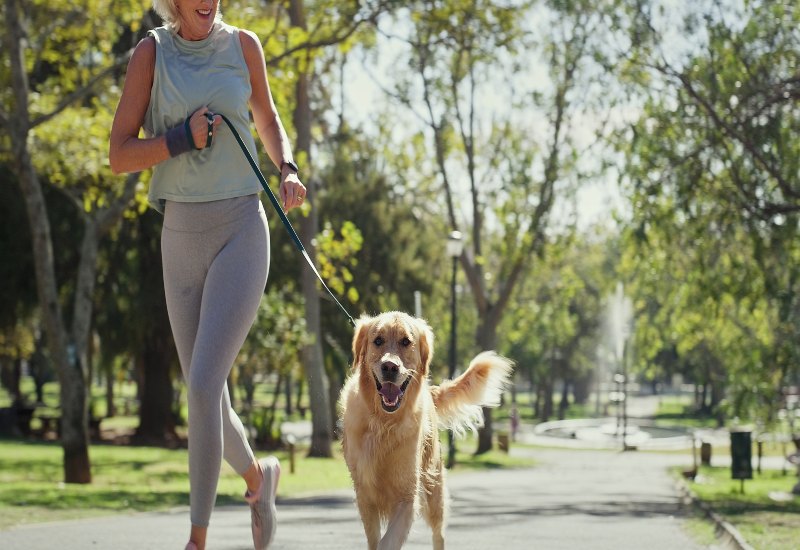
Choose the Right Equipment for Successful Loose Leash Dog Training
Choosing the right equipment can make loose leash training easier and more successful for you and your puppy. A standard leash is typically four to six feet long and provides better control over your dog while allowing comfortable movement during walks. Pairing this type of leash with a properly fitted flat collar or front-clip harness can help encourage better leash manners without causing discomfort. The equipment you use should match your puppy’s size, age, and temperament to ensure safety and confidence. Comfortable, well-fitting gear means you can focus on teaching good habits and creating calmer walks while the experience is more enjoyable for everyone.
Introduce the Leash & Build Positive Associations
Introducing a leash in a positive way ensures that your dog feels comfortable and confident from the start of their training. Before attaching the leash, let your puppy sniff and investigate it while offering praise and small rewards. When clipping it to your dog’s collar or harness, remain calm and keep the experience brief and encouraging. During practice, reward your dog for staying relaxed and moving with you. After removing the leash, continue the positive experience with affection, play, or treats. Consistent, enjoyable introductions help create strong, positive leash associations and support successful training.
Start Loose Leash Walking in a Low-Distraction Environment
When beginning loose leash training, start in a low-distraction environment where your dog can focus without competing with sights, sounds, or activities. Quiet backyards, calm indoor spaces, empty sidewalks, or lightly used parks are excellent places to practice walking on a leash. You should begin with short walking sessions and reward your dog whenever they stay close without pulling. Keep the leash loose, move at a steady pace, and stop briefly when pulling occurs. As your dog gains confidence and understanding, you can gradually introduce busier locations. Taking training step by step helps build reliable leash manners that last in real-world situations.
How to Stop a Dog From Pulling on Their Leash
To stop your dog from pulling on their leash, you can start by rewarding them when they display the behavior you want to see. When your puppy or adult dog walks beside you with a loose leash, you can offer praise, treats, or another favorite reward. If pulling starts, you should stop moving and wait for your dog to refocus before continuing your walk. Consistency helps dogs learn that pulling doesn’t move them forward, while calm walking does. For persistent leash-pulling habits, professional K9 training like the programs offered by Hilton Butler can provide structured guidance, personalized instruction, and proven techniques that support lasting success.
Transitioning to Outdoor Walks
After your dog consistently succeeds on a leash in a low-distraction setting, you can start introducing outdoor walks in quiet neighborhoods, uncrowded parks, or other calm areas with manageable activity levels. We recommend keeping early outings short and rewarding your dog often for paying attention, walking near you, and maintaining a loose leash. You should use praise, treats, or favorite rewards to reinforce good choices whenever distractions appear. If their focus starts to fade, create distance from the distraction and redirect attention back to you. You can gradually increase difficulty while continuing positive reinforcement to help your dog develop dependable leash manners in a wide variety of outdoor environments.
Mistakes That Can Slow Down Leash Training Progress
Several common mistakes can slow loose leash training progress. A few examples include allowing pulling sometimes but not others, moving too quickly into busy environments, and expecting long periods of focus before your dog is ready. These mixed signals can make it harder for your dog to understand what you expect from them. To avoid setbacks, we recommend keeping training consistent, rewarding loose leash behavior immediately, and gradually increasing distractions as your dog improves. If pulling starts happening again, you can simply return to an easier setting and reinforce good habits. Patience, repetition, and clear expectations help keep training on the right track.
Building Lifelong Loose Leash Walking Habits
Building lifelong loose leash walking habits begins with consistent training, clear expectations, and plenty of patience from the start. Dogs learn best when calm walking is rewarded regularly, and pulling never becomes a successful way to move forward. Early training helps establish routines while your dog is still young, which becomes second nature as they mature. Furthermore, continuing to reinforce good leash manners during daily walks keeps those skills sharp over time. With thorough, positive guidance and steady practice, your dog can develop reliable leash behavior that makes walks safer, easier, and more enjoyable for years.
Hilton Butler Is Ready to Help With Dog Training
With Hilton Butler, you get reliable insights and skill-building solutions from seasoned K9 rescue and training specialists. Our team will gladly advise you on how to train your young puppy to grow into an adult dog with good loose leash walking habits. Get in touch with us today for more information about loose leash dog training and our options for the Dallas-Fort Worth area of Texas.
Common Questions About Loose Leash Dog Training
At What Age Should I Start Leash Training My Puppy?
Most puppies can begin simple leash training early, once they’re comfortable wearing a collar or harness and exploring safely.
How Long Does It Take to Teach a Puppy to Walk Without Pulling?
Training timelines vary by puppy, but consistent practice, patience, and rewards often produce noticeable improvements within weeks.
Are Retractable Leashes Good for Teaching Loose Leash Walking?
Retractable leashes can encourage pulling habits, making standard fixed-length leashes a better choice during early training sessions.
Can Older Dogs Learn Loose Leash Walking, too?
Yes, older dogs can learn loose leash walking through consistent guidance, positive reinforcement, patience, and regular practice sessions.