Crucial Characteristics of an Excellent Dog Trainer
Get to Know Your Dog’s Attributes in Frisco & Allen, TX
Bringing a new dog into your home brings immense joy and a fair share of responsibility. Training plays a massive role in ensuring your furry friend becomes a well-adjusted member of the family. Finding someone who truly understands canine behavior is essential for long-term success. Residents in Frisco and Allen, TX, have access to a variety of pet professionals, but narrowing down the list requires careful thought. You need an expert who aligns with your goals and treats your pet with respect. The methods a trainer uses will heavily influence your dog’s future behavior and your ongoing relationship with them. At Hilton Butler, we know that effective training goes far beyond teaching simple commands. It involves clear communication, proper correction techniques, and a deep understanding of animal psychology. A knowledgeable professional will guide both you and your pet toward a harmonious life together. Let us explore the essential traits you should look for when selecting the perfect person to educate your dog.
Understanding Dog Behavior and Individual Dog Attributes
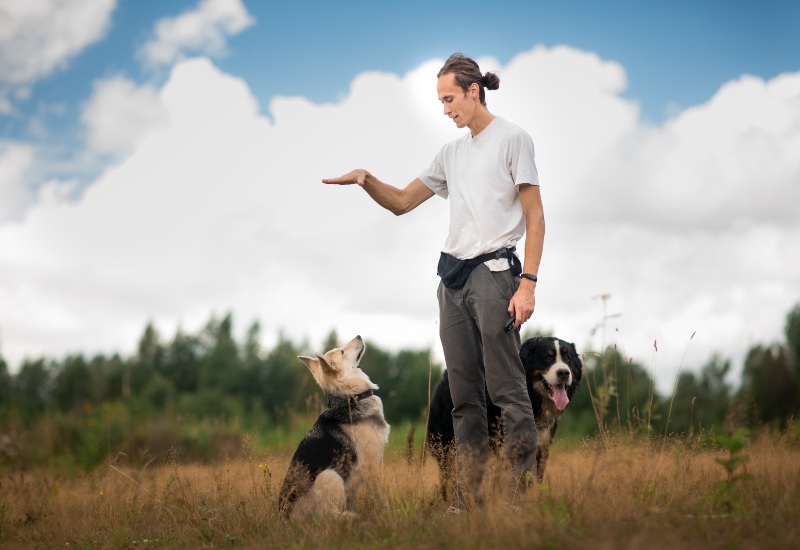
Every breed and mixed breed comes with a unique set of traits. A knowledgeable professional understands these specific dogs’ attributes and tailors their approach accordingly. A working breed like a German Shepherd will respond differently to instructions than a companion breed like a Shih Tzu. Recognizing these inherent differences allows the instructor to build an effective, customized curriculum. Furthermore, every individual animal has its own personality. A specific characteristic dog might display high energy, while another might be naturally timid. A skilled instructor evaluates the animal in front of them, assessing their motivations, fears, and learning style. This deep understanding forms the foundation of any successful behavioral modification program.
Core Characteristics of a Good Dog Trainer
When evaluating professionals in Frisco or Allen, TX, you must identify specific traits that lead to successful outcomes. The core characteristics of a good trainer directly impact how quickly and happily your pet learns. First, patience is absolutely vital. Animals learn at their own pace, and frustration from a handler only slows the process down. Clear communication is another necessity. The instructor must be able to explain techniques to you, the owner, just as effectively as they communicate with the animal. After all, you will be the one maintaining the behavioral standards at home. Additionally, the qualities of a great trainer include a commitment to safe, effective tools and methods. They use appropriate gear, such as an e-collar, to provide gentle guidance rather than relying on outdated devices. They also focus on timely correction to guide the animal, avoiding harsh discipline that might cause fear or anxiety.
How a Great Trainer Supports Good Qualities in a Dog
Your pet already possesses wonderful traits waiting to be nurtured. Proper education brings out these good qualities in a dog, turning a rambunctious puppy into a calm, focused companion. Through consistent routines and positive reinforcement, an expert helps your pet develop self-control and confidence. For example, if your dog is naturally protective, a skilled instructor will teach them how to channel that instinct appropriately. They help the animal understand when to be alert and when to relax. By reinforcing desirable behaviors and offering appropriate corrections for missteps, the dog learns how to navigate the human world safely and happily.
Signs You’ve Found the Right Dog Trainer
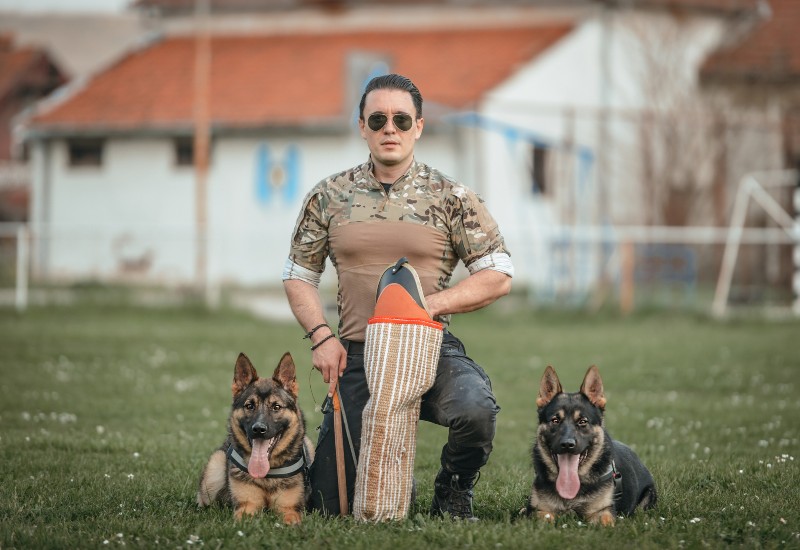
Identifying the right professional becomes obvious when you know what to observe. A reputable instructor is completely transparent about their methods and facility. If they offer boarding or day-school programs, they will proudly show you where the animals stay. At Hilton Butler, for instance, animals are kept inside custom kennels, ensuring a safe, clean, and climate-controlled environment. Another positive sign is the instructor’s willingness to involve you in the process. They will invite you to sessions, explain the psychology behind their methods, and give you homework. A professional who empowers the owner demonstrates a genuine commitment to the animal’s long-term success.
Red Flags to Watch Out for When Choosing a Dog Trainer
Just as there are green flags, there are also warning signs that should prompt you to look elsewhere. Avoid anyone who uses the word “punishment” instead of focusing on appropriate correction and positive reinforcement. Harsh methods damage the trust between you and your pet. Facility conditions also reveal a lot about a business. Run away from places that utilize outdoor kenneling or rely on cramped crates for long periods. Your pet deserves a comfortable, secure indoor environment. Furthermore, if a business insists on using equipment you are uncomfortable with or refuses to explain how to properly use tools like an electric collar, consider that a major red flag.
Questions to Ask Before Hiring a Dog Trainer
Before committing to a program, ask a few pointed questions to ensure a good fit. This conversation will clarify their philosophy and help you feel confident in your choice.
- What specific training methods do you use?
- How do you determine the right type of correction for a specific animal?
- Where will my pet sleep if I leave them for a board-and-train program? (Listen for answers mentioning secure indoor kennels, never outdoor setups).
- How much owner involvement is required in your programs?
- Can you provide references from other clients in the Allen or Frisco areas?
The Right Trainer Makes All the Difference
Selecting the right professional to educate your pet is a significant decision. By prioritizing patience, clear communication, and safe facilities, you set your furry friend up for a lifetime of success. A well-educated dog is a confident, happy dog, and the peace of mind that comes with a well-behaved companion is priceless. Take the time to research, ask questions, and choose an expert who truly understands how to bring out the best in your canine companion. If you need assistance with your pet’s care, contact us today at Hilton Butler.
FAQ
Finding the right training program for your dog involves more than just a quick search. It requires a deep understanding of your pet’s unique temperament and your own lifestyle goals. The following frequently asked questions address the core components of high-quality canine education to help you make an informed choice for your family by Hilton Butler.
What is the difference between correction and punishment in training?
Correction is a timely, unemotional redirection designed to help the animal understand what they should be doing instead. It guides behavior constructively. Discipline meant to cause fear or pain is harmful and counterproductive to learning.
Are e-collars safe for my pet?
When used correctly by an experienced professional, an e-collar is a highly effective communication tool. It provides a gentle tap to get the animal’s attention, much like tapping someone on the shoulder. It should never be used to cause pain.
Why is indoor boarding important during training?
Keeping animals in custom kennels rather than using outdoor setups protects them from extreme Texas weather, insects, and other external stressors. A climate-controlled indoor kennel ensures the animal rests comfortably and securely between sessions.
Training is an ongoing practice, not a one-time event, which means you should continually add dog training tools to your toolbox for long-term…
Military service can have lasting effects that continue after service members return to civilian life. Some face physical disabilities that require…