
Why Dog Training Consistency Matters More Than Sessions
Topping the list of the best dog training tips for individuals and families enrolled in training courses is that success is built on what happens at home, not just in the sessions. Professional instruction provides structure and guidance, but long-term results are achieved through daily habits and showing consistent expectations. This is true for both puppies and adult dogs. Consistent handling, clear communication, and correct user skills help create reliable behavior.
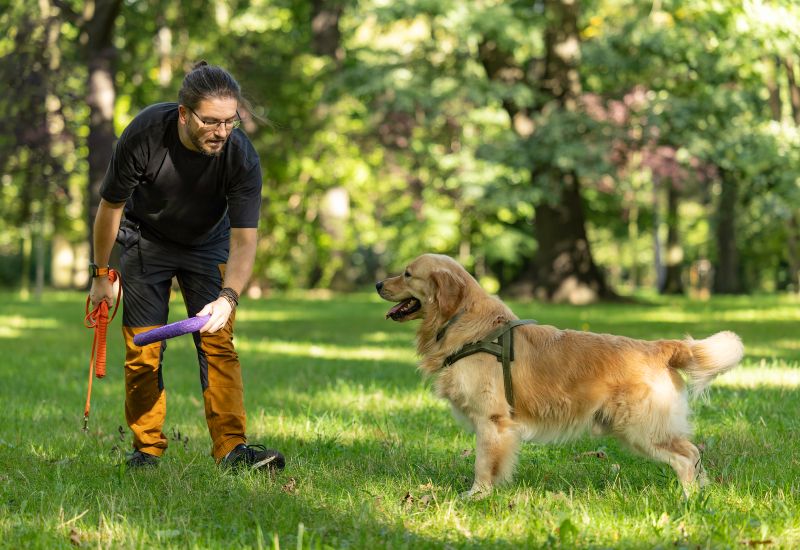
How Dogs Learn Through Consistency, Not Repetition
Don’t think of your dog training schedule as a set time to work on the commands you’ve learned. What’s important is being consistent in every interaction with the commands you use, what behavior you expect from the command, and rewarding when you get the desired outcome. This should be applied during normal daily activities. Remember:
- Dogs learn from everyday experiences
- Household routines influence behavior development
- Consistent responses create predictable outcomes
- Correct training methods reinforce learning
Daily Dog Training Schedule: Small Efforts Create Big Results
Dog obedience training is more effective when delivered in shorter sessions, consistently throughout the day. Training is an ongoing partnership with you and your dog. Many owners assume training requires lengthy practice periods. Brief sessions help maintain focus and reduce frustration for both dogs and handlers. A practical routine may include:
- Short obedience exercises during walks
- Recall practice in the backyard
- Place training during household activities
- Reinforcing calm behavior around distractions
The Importance of Consistent Rules Across the Household
Dogs benefit from clear and predictable rules. When expectations vary by family member, location, or situation, confusion can arise. Every person in the household should follow the same training approach and house rules for dog training consistency. Dogs will start to ignore commands, and unwanted behavior can develop when:
- One family member allows the dog on the couch
- Barking attracts attention
- Dogs are fed from the table
- Pulling on a leash isn’t addressed
Common Dog Training Mistakes That Undermine Progress
Even well-intentioned owners can unintentionally slow training progress. Small inconsistencies repeated over time can have a significant impact on results. Common mistakes include:
- Using different commands for the same behavior
- Allowing some family members to enforce rules while others don’t
- Repeating commands multiple times instead of requiring compliance
- Correcting behavior inconsistently
- Following training routines only occasionally
- Reinforcing unwanted behaviors without realizing it
- Changing expectations from day to day
Applying Consistency to Leash Training and Everyday Obedience
Leash training is one of the most common areas where inconsistency affects behavior. If a dog is corrected for pulling one day but allowed to pull the next, the dog learns that pulling sometimes works. From the dog’s perspective, the behavior remains effective because it occasionally produces the desired result. Good dog leash training tips include:
- Maintaining the same walking standards every day
- Reinforcing loose-leash behavior regularly
- Redirecting pulling behavior immediately
- Leash training with a static line of four, six, or 10 feet, and not using retractable leashes
- Ensuring all handlers follow the same expectations
Building a Sustainable Routine for Lasting Results
The most effective training programs are designed to fit everyday life. Sustainable routines are easier to maintain, which leads to lasting obedience and stronger relationships. Whether working with a puppy or an adult dog, consistency helps establish behaviors that become reliable over time. Benefits of a consistent training routine include:
- Stronger obedience
- Improved responsiveness
- Better behavior around distractions
- Clearer communication between dog and handler
- Increased safety in everyday situations
Schedule Professional Dog Training with Hilton Butler
Training provides the foundation for success, but lasting results are achieved through consistent follow-through at home. Hilton Butler offers training programs to build the skills needed to manage a daily dog-training schedule at home throughout the Dallas-Fort Worth, TX, area. Whether you’re working with a new puppy or refining skills with an adult dog, we can help with programs focused on safety, clarity, and real-world application. Contact us today to get started.
Frequently Asked Questions
How Long Should Dog Training Sessions Be?
Most dogs benefit from short, focused training sessions, anywhere from five to 15 minutes. It’s more productive than lengthy periods that can lead to fatigue or distraction. Focus on multiple short sessions throughout the day.
How Often Should You Train Your Dog for the Best Results?
Training should occur daily. Formal practice sessions are valuable, but consistent reinforcement during everyday activities is equally important.
What Is the 90/10 Rule in Dog Training?
This is often used to describe the idea that successful dog training depends more on the owner’s consistent implementation (90%) than on formal instruction alone (10%). Professional training provides guidance, but most progress occurs through daily follow-through at home.
Can Adult Dogs Benefit From a Structured Training Routine?
Yes. Adult dogs can learn new behaviors and improve existing skills through consistent training. A structured routine helps establish clear expectations and reinforce obedience regardless of age.
Training is an ongoing practice, not a one-time event, which means you should continually add dog training tools to your toolbox for long-term…
Military service can have lasting effects that continue after service members return to civilian life. Some face physical disabilities that require…