
Everything You Need in Your Pet’s First Aid Kit
Build Your Dog’s First Aid Kit in Frisco & Allen, TX
We all want to keep our furry companions safe and healthy. Accidents happen when we least expect them. A sudden stumble on a hiking trail or a minor scrape during a walk through your neighborhood can leave your dog needing immediate attention. Being prepared with the right tools can make a significant difference in how effectively you handle these stressful situations. As you keep reading, our team at Hilton Butler in Frisco and Allen, TX, will guide you to understand exactly what belongs in your medical supplies. You will learn how to build a complete dog first-aid kit from scratch, which items to leave out, and when to skip the home treatment and head straight to the vet.
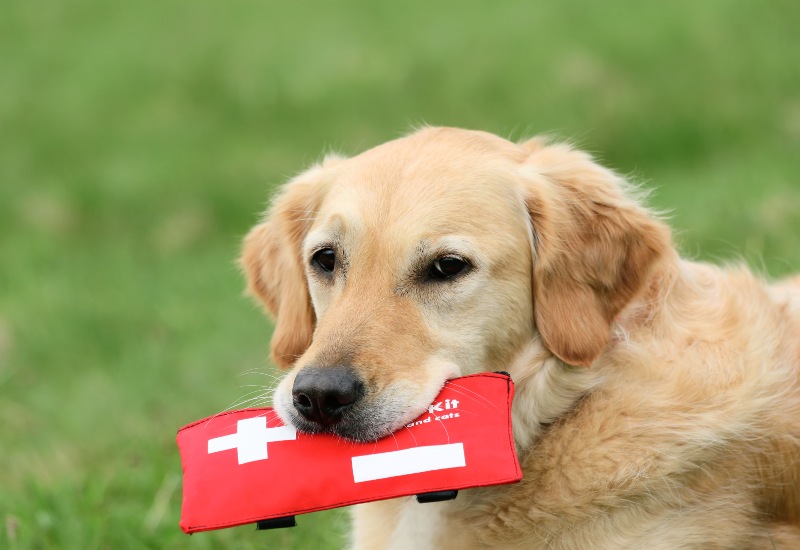
What Is a Pet First Aid Kit?
A pet first aid kit is a dedicated collection of medical supplies specifically chosen for animals. Human medical kits often contain items that are either ineffective or downright dangerous for pets. A proper first-aid kit for dogs includes bandages, cleaning solutions, and tools designed for their unique anatomy. Having a dedicated kit means you always know exactly where the supplies are. It eliminates the panic of searching for tweezers or gauze while your dog is in distress. You can keep one at home and another, a smaller version, in your car for trips to the park.
When Would You Need a Dog First Aid Kit?
You might pull out your dog’s first aid kit more often than you think. Dogs are naturally curious. They sniff around bushes, run through tall grass, and sometimes step on sharp objects. Minor cuts and scrapes are incredibly common. A K9 first-aid kit is essential for treating torn paw pads, insect stings, and minor allergic reactions. If your dog gets a splinter while playing outside, having the right tools on hand allows you to remove it quickly. You can clean the wound and wrap it up to prevent infection. In more difficult situations, your kit allows you to stabilize your dog before transporting them to an emergency veterinary clinic.
Essential Supplies for a Pet First Aid Kit
Every great kit starts with a solid foundation. Gathering these core pet first aid supplies will ensure you are ready for the most common minor injuries.
- Bandaging Materials: Your kit needs non-stick wound pads. Dogs have fur, and traditional sticky bandages will pull their hair and cause pain. Include self-clinging bandages that stick to themselves rather than the skin. This is commonly called vet-wrap. You should also pack rolls of clean gauze and medical adhesive tape to secure the wraps.
- Cleaning and Disinfecting Items: Cleaning a wound promptly prevents infection. Stock your kit with pet-safe antiseptic wipes and a small bottle of saline solution to flush out dirt from cuts or eyes. Include cotton balls and swabs for safely applying ointments.
- Essential Tools: A good pair of blunt-tipped scissors is necessary for cutting away fur around a wound without poking the skin. Tweezers are vital for removing ticks, splinters, or glass. A digital thermometer is also highly recommended. Knowing your dog’s temperature can help a vet assess their condition over the phone.
Optional but Helpful Add-Ons
Once you have the basics, you can customize your kit to fit your dog’s specific needs and lifestyle. Styptic powder is an excellent addition. If you accidentally cut a nail too short, this powder stops the bleeding almost instantly. An emergency foil blanket helps keep your dog warm if they go into shock. You might also consider keeping an extra leash and collar in your kit. Equipment can break, and having a backup ensures you can safely control your dog in an emergency. These training tools should be stored separately from your medical supplies.
How to Organize and Store Your Pet First Aid Kit
Organization is the key to an effective emergency response. Use a brightly colored, waterproof bag or a sturdy plastic container. Label it clearly so anyone in your home can find it instantly. Group similar items together in clear, resealable plastic bags. Keep all the bandaging materials in one bag and the cleaning supplies in another. This prevents you from digging through a messy pile of supplies while your dog is injured. Store the kit in an easily accessible location. Many owners keep their primary kit near the dog’s crate or their custom kennels. Always keep the kit out of direct sunlight and away from extreme temperatures to prevent the medical supplies from degrading.
What Not to Put in a Pet First Aid Kit
Certain items should never be included in your pet’s first-aid supplies. Human medications are the most common mistake. Never give your dog ibuprofen, acetaminophen, or any other over-the-counter painkiller designed for humans. These drugs are highly toxic to dogs and can cause fatal organ failure. Avoid packing sharp objects without proper safety covers. Loose razor blades or sharp-pointed scissors can easily cause an accidental injury when you reach into the bag in a panic. Furthermore, do not include any expired prescription medications. Check your kit twice a year and replace anything that is out of date.
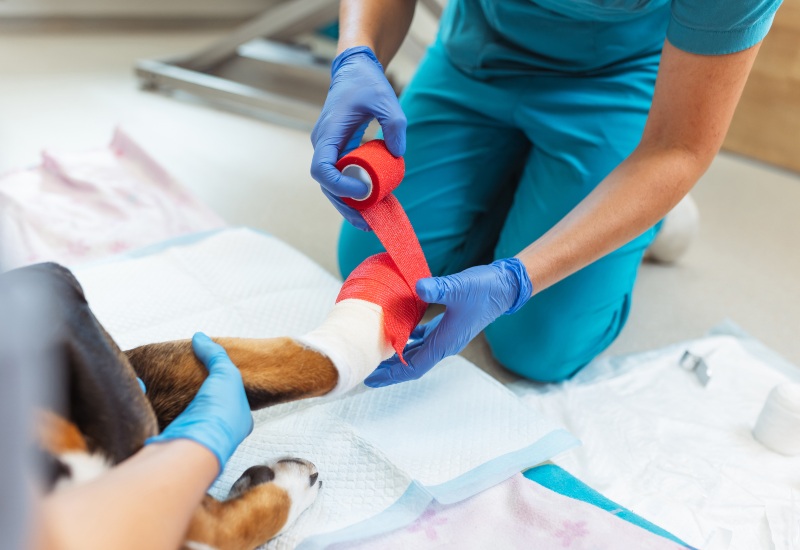
When to Use a First Aid Kit vs Seeing a Vet
Your first aid box for dogs is designed for minor injuries and stabilization. It does not replace professional veterinary care. Use your kit to treat shallow scratches, remove a visible splinter, or clean a minor bug bite. You can also use it to wrap a bleeding paw so you can safely drive to the animal hospital. You must see a vet immediately for deep puncture wounds, uncontrolled bleeding, suspected broken bones, or breathing difficulties. If your dog ingests something toxic, do not attempt home remedies without first calling a poison control hotline or your vet. Prompt professional medical attention is always the safest choice for serious issues.
Preparedness Gives Peace of Mind
Taking the time to assemble a comprehensive kit is one of the best ways to protect your dog. You will feel a sense of relief knowing you have the right tools ready for unexpected situations. Whether you are walking through the neighborhoods of Allen or enjoying a sunny afternoon in Frisco, being prepared allows you to focus on having fun with your companion. At Hilton Butler, we believe in setting dogs and their owners up for success. Our team focuses on clear communication, proper use of the kennel, and gentle correction to build a strong bond. Ensuring your dog’s physical safety with proper medical supplies is a massive part of that foundation. Take an afternoon this week to gather these items, assemble your kit, and enjoy the peace of mind that comes with true preparedness. If you have any questions, feel free to contact us today.
FAQs
Navigating the responsibilities of pet ownership often leads to practical questions about pet safety, pet training, and daily care. To help you foster a thriving relationship with your canine companion, we have compiled answers to the most common inquiries we receive at Hilton Butler.
What is the most important item in a dog’s first aid kit?
Non-stick bandages and pet-safe antiseptic wipes are crucial. They allow you to clean a wound and cover it without sticking to your dog’s fur.
Can I use a human first aid kit for my pet?
No. Human kits contain items like standard adhesive bandages that pull fur, and antibiotic ointments that might not be safe if your dog licks them. You need specific pet first aid supplies.
How often should I check my pet’s first aid kit?
You should inspect your first aid kit every six months. Replace any expired ointments, dried-out wipes, or items you have used recently.
Where should I keep my first aid box for dogs?
Keep your primary kit in a cool, dry place inside your home, perhaps near your dog’s crate. It is also wise to keep a smaller, secondary kit in your vehicle for travel.
Training is an ongoing practice, not a one-time event, which means you should continually add dog training tools to your toolbox for long-term…
Military service can have lasting effects that continue after service members return to civilian life. Some face physical disabilities that require…