
How to Socialize Your Dog for Confident, Friendly Behavior
Why Dog Socialization Matters for Lifelong Confidence & Good Behavior
Socialization plays a substantial role in shaping a dog’s confidence, manners, and ability to handle new experiences throughout life. When puppies are introduced to different people, environments, sounds, and situations positively, they learn to stay calm, adaptable, and well-behaved as they mature. Early social experiences can help reduce fear, anxiety, and unwanted habits later on in life. Hilton Butler specializes in dog training and gladly helps owners understand why proper dog and puppy socialization matters. We provide guidance that supports happier dogs, stronger relationships, and long-term success for your entire family. Please keep reading for compelling insights into dog socialization tips, including how to socialize a puppy.
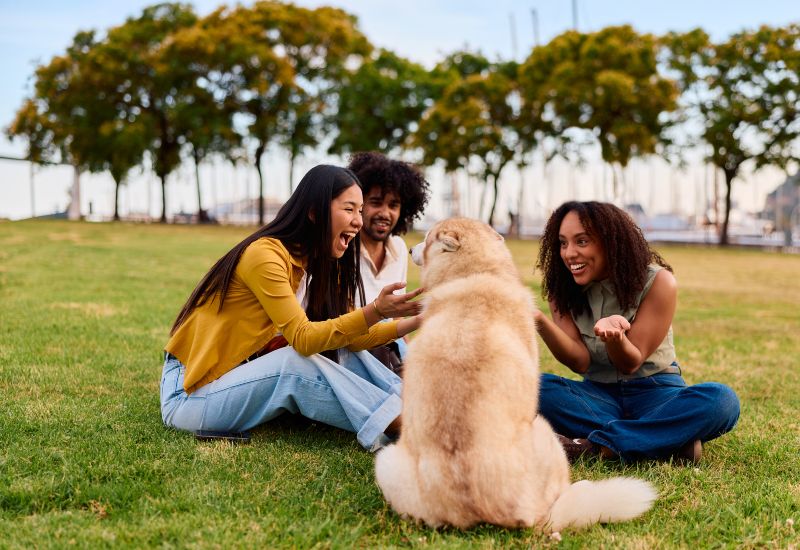
When to Start Puppy Socialization & What to Prioritize
The best time to begin socializing with a puppy is during the early months of their life, when they’re naturally curious and open to new experiences. Positive exposure to different people, other friendly animals, everyday sounds, car rides, parks, sidewalks, and public settings helps build confidence and comfort in unfamiliar situations that will carry on as they grow and progress in life. It’s also important to introduce puppies to various surfaces, handling routines, and household activities. Focusing on safe, rewarding experiences early can encourage appropriate behavior, reduce anxiety, and help create a well-adjusted companion for years to come.
A Puppy Socialization Checklist for Everyday Experiences
Creating a puppy socialization checklist helps ensure your dog experiences a wide variety of everyday situations during early development. Consistent exposure can encourage and build confidence, adaptability, and positive behavior in new environments later. Below, we’ve listed several common and essential examples of checklist items for puppy socialization:
- Meet adults, children, and people wearing hats, uniforms, or sunglasses.
- Encounter friendly, vaccinated dogs and other household pets.
- Visit parks, sidewalks, stores, and outdoor gathering areas.
- Experience car rides, grooming, veterinary visits, and leash walks.
- Hear household sounds, traffic, doorbells, and common city noises.
- Walk on grass, concrete, gravel, and different indoor flooring surfaces.
How to Introduce a Dog to Other Dogs Successfully
Introducing your dog to other dogs successfully starts with preparation and patience. Before the meeting, make sure your dog is calm, comfortably leashed, and familiar with basic commands. Choose a neutral location where neither dog feels protective of the space. You can begin this task with a relaxed walk at a comfortable distance, allowing the dogs to observe each other without pressure. Gradually decrease the space between them while watching for calm body language. Keep the interaction positive, reward good behavior, and end on a successful note. Repeated positive experiences help build healthy social skills and lasting confidence.
Puppy Socialization Exercises That Build Confidence
Building confidence through socialization helps puppies learn that new experiences are safe and manageable. Simple exercises completed at a comfortable pace can encourage curiosity, resilience, and positive interactions throughout development. Some essential puppy socialization exercises to practice with your furry family members include the following:
- Reward calm greetings with unfamiliar people.
- Explore new walking routes and environments.
- Practice supervised meetings with friendly dogs.
- Introduce household noises using positive reinforcement.
- Walk across different textures and surfaces.
- Encourage gentle handling of paws, ears, and fur.
- Visit pet-friendly locations during quieter periods.
- Teach simple commands to build trust and success.
Signs of an Under-Socialized Dog
One common sign of an under-socialized dog is ongoing discomfort with unfamiliar people, animals, places, or situations long after the puppy stage has passed. These dogs may appear fearful, withdrawn, overly reactive, or unusually nervous when faced with everyday experiences. They can struggle with visitors, walking in busy areas, veterinary appointments, or meeting other pets. Under-socialization may limit a dog’s confidence and ability to adapt to change over time, which can create stress for your four-legged child and your family. To combat this scenario, early guidance and positive exposure can help improve a dog’s comfort, behavior, and overall quality of life.
Common Socialization Mistakes & How to Avoid Them
Common socialization mistakes can make it harder for dogs and puppies to feel comfortable in the world around them. Some owners move too quickly, force interactions, skip important experiences, or accidentally reward fearful behavior. These missteps may lead to anxiety, reactivity, or uncertainty in unfamiliar situations. The best approach to dog and puppy socialization is gradual, positive exposure that allows them to build confidence at a manageable pace. If challenges have already developed, they can often be improved through patient training. Hilton Butler gladly explains these issues in greater detail and provides practical solutions tailored to each dog’s needs as part of our professional dog training.
Maintaining Social Skills Throughout Your Dog’s Life
Maintaining your dog’s social skills is an ongoing process that you must carry on well after their puppyhood. Regular exposure to friendly people, well-mannered dogs, new environments, and everyday activities helps your dog maintain strong, reliable social behaviors. You should reward calm, confident interactions with praise, treats, or play to reinforce positive experiences. Another method is to continue practicing basic training commands in different settings to build adaptability and focus. Introducing occasional new experiences at a comfortable pace can also prevent hesitation around unfamiliar situations. Consistency, patience, and positive reinforcement help your dog stay confident, sociable, and well-adjusted throughout their lifetime.
Trust Hilton Butler to Help Train Your Dog
Hilton Butler is ready to help you keep your dog obedient, happy, and less stressed about social situations in the Dallas-Fort Worth area, TX, including Plano, Frisco, McKinney, and Collin County. You can trust our team for K9 training and rescue services. Contact us today to start basic training with your dog.
FAQS About Dog & Puppy Socialization
Can Older Dogs Still Be Socialized Successfully?
Yes. Older dogs can learn positive social behaviors through patience, gradual exposure, and rewarding experiences that build comfort, trust, confidence, and adaptability.
Is Dog Daycare or Group Play Beneficial for Socialization?
When properly supervised, daycare and group play can encourage healthy interactions, improve manners, increase confidence, and support social development.
Can Socialization Help Reduce Aggression and Anxiety in Dogs?
Positive socialization with a professional may reduce fear-based reactions by teaching dogs that unfamiliar people, animals, places, and experiences are not threats. Please note that reactive and fear aggressive dogs should not be put into social settings without a professional.
What Should I Do if My Dog Seems Scared During Socialization?
You should slow down, create distance from the trigger, offer rewards, stay calm, and allow your dog to progress comfortably.
Training is an ongoing practice, not a one-time event, which means you should continually add dog training tools to your toolbox for long-term…
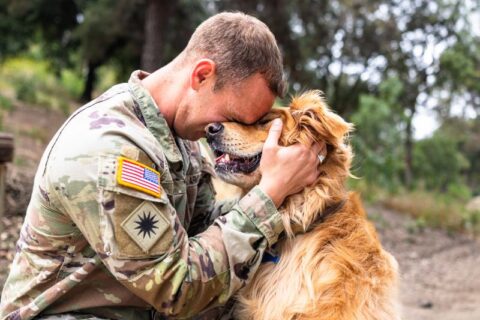
Military service can have lasting effects that continue after service members return to civilian life. Some face physical disabilities that require…