The Different Types of Professional Dog Training: Which Program Is Right for You?
Understanding Your Dog’s Training Needs Before Choosing a Program
Choosing a professional dog training program starts with understanding your dog’s unique needs, personality, and behavioral challenges. Factors such as age, energy level, obedience skills, confidence, and past experiences can all influence which training approach will be most effective. You should take time to identify specific goals to help ensure your dog receives the right support and guidance for long-term success. Hilton Butler is ready to help through seasoned K9 training and rescue services while sharing valuable insights into professional dog training. The information below can help you better understand available options and make informed decisions for your canine companion.
Puppy Training Programs: Building Good Habits Early
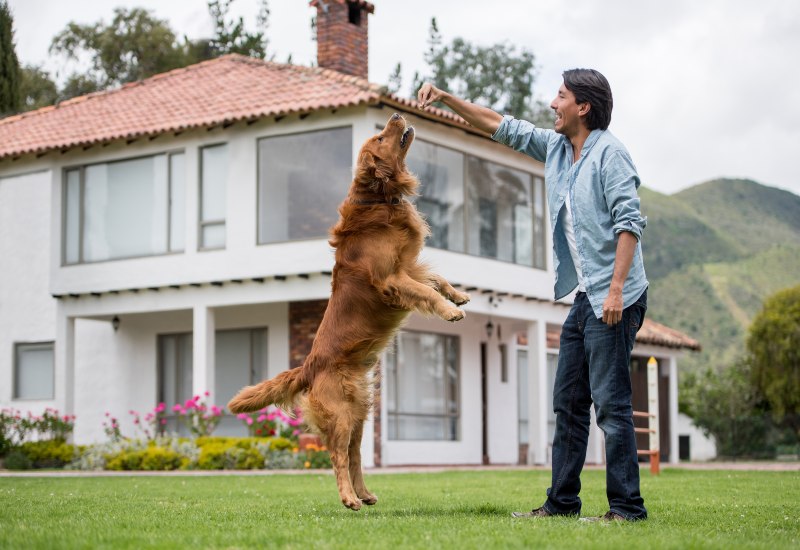
A puppy training program focuses on teaching essential behaviors during the early stages of a dog’s development, when trainers can form learning habits most easily. These programs often introduce skills like basic obedience, leash manners, socialization, impulse control, and positive interactions with people and other animals. Starting training early helps prevent unwanted behaviors from becoming established while encouraging confidence and good decision-making. The lessons that a puppy learns during training can influence daily behavior for years. Training creates a stronger foundation for a well-mannered companion that responds reliably at home, during walks, and in various social situations.
Obedience Training for Dogs: The Foundation of Good Behavior
Obedience training teaches dogs how to understand and respond to clear commands, creating a strong foundation for appropriate behavior throughout their lives. Skills such as sit, stay, come, and polite leash walking help dogs navigate everyday situations with greater confidence and self-control. Furthermore, consistent obedience training can also reduce frustration, improve communication, and strengthen the relationship between dogs and their families or owners. For families, the benefits often include safer interactions, easier management in public and at home, and a more enjoyable companion. These lifelong skills support a happier, more rewarding experience for dogs and the people who love them.
Behavioral Dog Training: Addressing Problem Behaviors
Behavioral dog training focuses on identifying and correcting specific problem behaviors that can affect the daily lives of dogs and their families. Common concerns include excessive barking, jumping on guests, leash pulling, anxiety, poor impulse control, and unwanted reactions to people or other animals. Professional trainers like Hilton Butler work to understand the cause of these behaviors and teach dogs more appropriate responses through structured guidance and consistent practice. As behavior improves, dogs often become more confident and manageable, while owners gain better communication, reduced stress, and a stronger bond with their canine companion.
Group Classes vs. Private Dog Training Sessions
Group dog training classes bring multiple dogs and owners together in a structured learning environment where they practice obedience skills, leash manners, focus, and social interactions around distractions. These classes can help dogs become more comfortable working near other people and animals while allowing owners to learn alongside others. Private dog training sessions offer individualized instruction tailored to a dog’s specific goals, behavior challenges, and learning style. This personalized attention can accelerate progress and address unique concerns. Both options provide valuable guidance, strengthen communication between owners and pets, and help build confident, well-behaved canine companions.
Board-and-Train Programs: Intensive Professional Training
A board-and-train program provides intensive professional training by having a dog stay with a trainer for a dedicated period of time, often ranging from several days to a few weeks. The specific timeframe depends on the dog’s needs and goals. This option can be especially helpful for busy owners, dogs needing focused skill development, or those working through persistent behavior challenges. During the program, dogs receive consistent daily instruction and structured practice. Owners benefit from professional guidance and a stronger training foundation, while dogs gain improved obedience, confidence, and reliability that can carry into their daily lives.
Specialized Dog Training Programs
Specialized dog training programs are designed to address specific goals, activities, and challenges beyond basic obedience. Experienced professionals like Hilton Butler offer a wide variety of focused training options that help dogs develop practical skills, improve behavior, and strengthen partnerships with their owners through targeted instruction. Some common specialized dog training programs include the following:
- Service Dog Training – Teaches task-based assistance skills.
- Therapy Dog Training – Prepares dogs for community visits.
- Protection Training – Develops controlled guarding behaviors.
- Scent Work Training – Builds tracking and detection abilities.
- Agility Training – Enhances athleticism, focus, and coordination.
- Hunting Retriever Training – Strengthens field performance skills.
How to Choose the Right Professional Dog Training Program
Choosing the right professional dog training program begins with evaluating your dog’s age, temperament, behavior, and specific training goals. For example, a puppy learning basic manners may need a different approach than an adult dog working through behavioral challenges. Training style, program structure, trainer experience, and the amount of owner involvement should also factor into your decision. You also need to consider whether group classes, private lessons, or more intensive options best fit your needs. Selecting a program that matches your dog’s personality and objectives can lead to more effective learning, lasting results, and a stronger relationship between you and your furry family member.
Get in Touch With the Team at Hilton Butler Today
You can trust Hilton Butler for a wide variety of professional dog training options in the Dallas-Fort Worth, TX area. Our years of experience in K9 training and rescue are at your disposal. Reach out to us today to discuss a specific training program for your dog.
FAQs About Professional Dog Training
What Age Should a Dog Start Professional Training?
Many dogs can begin professional training as puppies. However, age-appropriate lessons help ensure positive experiences and steady progress.
How Long Does It Take to See Results From a Dog Training Program?
Results vary by dog and training goals, but consistent practice often leads to noticeable improvements within several weeks.
Are Group Dog Training Classes Effective for All Dogs?
Group classes benefit many dogs, but those with unique behavioral needs may progress better through individualized instruction.
Can Professional Training Help With Aggressive or Anxious Dogs?
Yes, professional training can address anxiety and reactivity by teaching coping skills, confidence, and more appropriate responses.
Training is an ongoing practice, not a one-time event, which means you should continually add dog training tools to your toolbox for long-term…
Military service can have lasting effects that continue after service members return to civilian life. Some face physical disabilities that require…