
How Working Dogs Help Veterans Regain Confidence and Independence
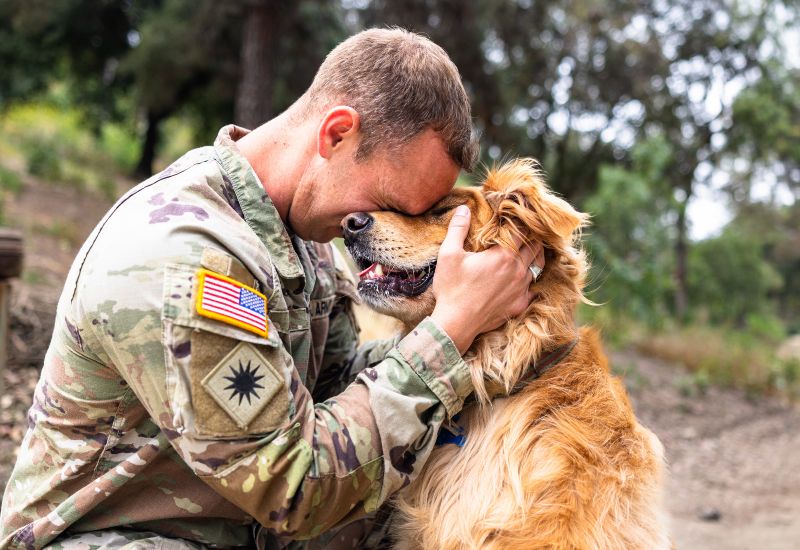
Military service can have lasting effects that continue after service members return to civilian life. Some face physical disabilities that require daily assistance. Others manage conditions such as post-traumatic stress disorder (PTSD), anxiety, depression, or sleep disturbances. Working dogs for veterans help individuals adjust to civilian routines, such as navigating crowded environments, engaging in social interactions, and completing everyday tasks that can be difficult after returning from service. A properly trained service dog provides companionship and assistance that helps many veterans maintain independence and confidence.
What Are Working and Service Dogs for Veterans?
Working and service dogs for veterans are highly trained dogs that perform specific tasks to assist with daily life. These dogs aren’t limited to a particular breed or size. The most important factor is temperament, trainability, and the ability to perform required tasks consistently. Many service dogs learn more than 200 commands and behaviors to help veterans navigate everyday situations with greater independence. Depending on the veteran’s needs, service dogs may be trained to:
- Retrieve items
- Open and close doors
- Turn lights on and off
- Provide mobility assistance
- Respond to anxiety or panic episodes
- Create physical space in crowded settings
- Wake a veteran from nightmares
- Alert handlers to specific situations
How Service Dogs Help Veterans Manage PTSD and Anxiety
Service dogs help manage PTSD in veterans when they’re trained to recognize behavioral and physical signs of stress. Through the training, they learn tasks that help veterans manage symptoms before they escalate. In addition to practical assistance, service dogs create structure, routine, and opportunities for engagement in everyday interactions. Common benefits of PTSD service dog training include:
- Assisting during anxiety and panic attacks
- Providing support during depressive episodes
- Offering companionship and a sense of security
- Encouraging social interaction in public settings
- Building self-confidence through daily partnership
- Helping veterans maintain greater control over everyday activities
Restoring Confidence and Independence Through Daily Support
Veterans and service dogs form relationships and strong bonds that provide emotional support. A common blockade for a person managing depression or anxiety is feeling overwhelmed when trying to complete routine tasks. Service dog support can build confidence and reduce hesitation to have more productive days for things like:
- Running errands
- Attending appointments
- Visiting public places
- Participating in social events
- Traveling independently
The Emotional Benefits of Veterans and Service Dogs
Every veteran’s experience is unique. With service dogs, many veterans experience emotional improvements over time through the consistent, reliable partnership that fosters their independence. Commonly reported benefits include:
- Reduced symptoms associated with PTSD
- Lower levels of anxiety and depression
- More positive social interactions
- Increased feelings of safety and security
- Greater self-confidence in public settings
- A stronger sense of independence
- Improved daily structure and routine
Finding the Right Service Dog Program for Veterans
Two important factors for success are finding an experienced service dog training program and understanding that a commitment is required for consistent reinforcement and continued training to form a successful service dog partnership. When researching dog trainers, look for:
- Experience training service dogs
- A good reputation within the community
- Customized training approaches
- Ongoing support and guidance
- Clear expectations regarding handler involvement
At Hilton Butler, the process begins by meeting both the veteran and the dog. If you’re a veteran looking for a service dog, we can also help with the process of finding a good match. We evaluate the veteran’s needs, assess the dog’s temperament and personality, and develop a customized training program. This individualized approach helps create practical solutions that fit real-world lifestyles and goals.
Why Working Dogs Continue to Change Veterans’ Lives
A working dog’s ability to perform trained tasks while offering stability and companionship can help veterans maintain independence over time. The veteran mental health support they provide can lead to greater participation in family life, community activities, employment opportunities, and personal goals. These long-term benefits are why service dogs continue to play an important role in veteran support programs across the country.
Learn More About Service Dog Training for Veterans
If you’d like to learn more about how service dogs help veterans in the Dallas-Fort Worth, TX area, Hilton Butler is available to discuss our training program. Our team works closely with veterans and their dogs to create customized training programs that support independence, confidence, and daily success.
Frequently Asked Questions
What Tasks Can a Service Dog Perform for a Veteran With PTSD?
In these instances, a dog may be trained to respond to emotional stress and create space in crowded environments. They can also wake a veteran from nightmares, retrieve items, turn on lights, assist with balance, and support daily routines at home.
What’s the Difference Between a Service Dog and an Emotional Support Animal?
A service dog is individually trained to perform specific tasks related to a person’s needs or a disability, and they’re protected under the Americans with Disabilities Act (ADA). An emotional support animal provides comfort through companionship but is not trained to perform disability-related tasks and doesn’t receive ADA protection to enter public places with a “no pets” policy.
How Long Does It Take to Train a Service Dog for a Veteran?
Training timelines vary based on the dog’s age, temperament, existing skills, and the veteran’s needs.
Are Service Dogs Only Beneficial for Veterans With PTSD?
No. Service dogs can assist veterans with physical disabilities, mobility limitations, anxiety disorders, depression, traumatic brain injuries, and other conditions that affect daily independence and quality of life.
Training is an ongoing practice, not a one-time event, which means you should continually add dog training tools to your toolbox for long-term…
Understanding Your Dog’s Training Needs Before Choosing a Program
Choosing a professional dog training program starts with understanding your…